Our process
ESP is a specialist spa & wellness consultant, offering a comprehensive turn-key consultation solution for the design and project management of spas, gyms, wellness, biohacking, sports centres and swimming pools. From initial feasibility study to concept design, full-scale procurement, fit-out management and staff training, we work with you and your team to ensure the project is executed to the highest standard. Our focus is not just on creating exceptional wellness environments but on ensuring that they are operationally efficient, future-proof and aligned with your brand values.

Feasibility
We conduct a thorough feasibility study to ensure your project is viable from both a design and financial standpoint. This includes assessing target demographic, space requirements, CAPEX budget, purchase options, operational costs and long-term profitability to ensure that the project is aligned with market trends and has the potential for a high ROI.
Design
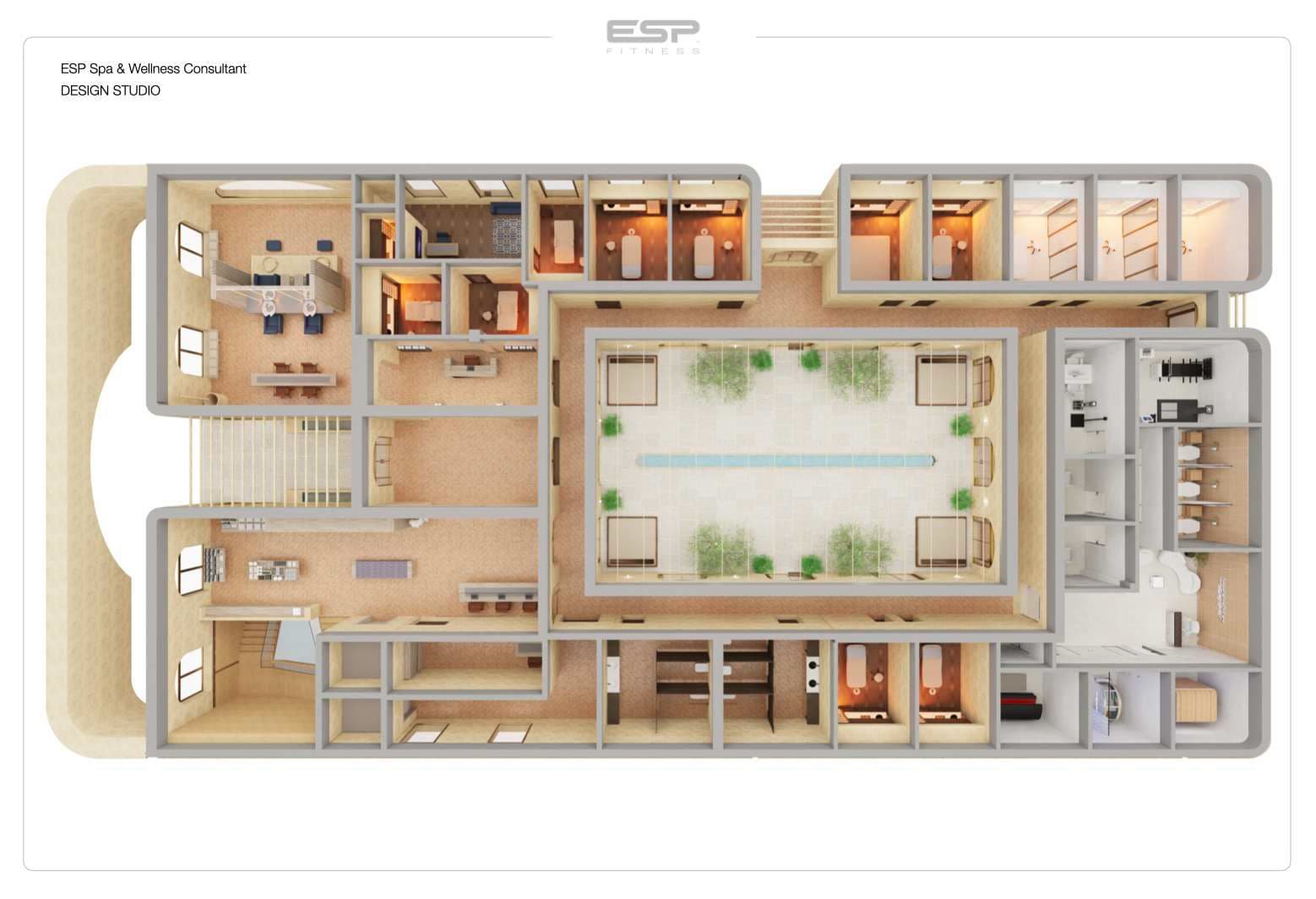
We begin by understanding your vision and translating this into a detailed design concept that is benchmarked against the best in the world. Whether you’re designing a luxury spa, a cutting-edge fitness facility or an innovative biohacking space, our expert team provides creative design solutions that align with your goals. From mapping the user journey, design mood boards, design concepts, 2D layouts, 3D visuals and video fly-throughs.
Technical Specifications
We provide expert technical guidance throughout the project lifecycle, ensuring that every design element is technically sound, including:
1) Spatial Planning: Defining minimum spatial requirements, maximum occupancy and optimal use of space for the best user experience and operational efficiency;
2) Finishes & Construction: Specification of acoustic flooring build-ups, wall finishes, mirrors, lighting, joinery and plumbing, ensuring both functionality and aesthetic appeal;
3) AV & Digital Systems: Integration of audio-visual systems for immersive wellness experiences, from soundscapes to lighting effects;
4) MEP: Providing recommendations for small power, connectivity, heating, cooling and ventilation systems, ensuring optimal comfort and air quality;
5) Specialist Technology: Guidance on the technical specifications for the integration of technologies such as cryotherapy, ice baths, hyperbaric oxygen therapy, red light therapy, hypoxic chambers, biohacking, saunas and swimming pools;
Customisation
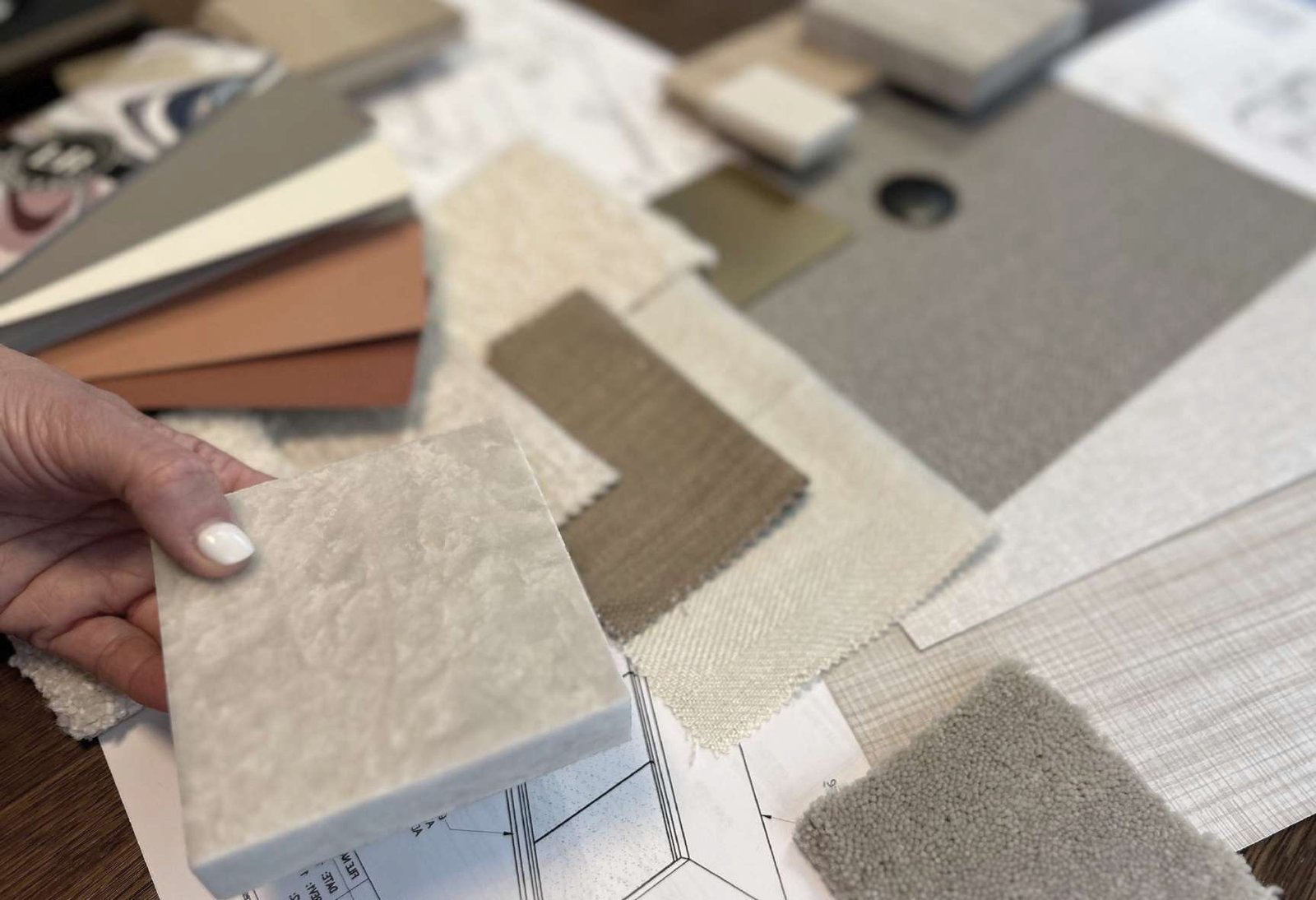
Within a competitive market place, we understand that every facility is different, and every Client is unique, and building a brand is important. We provide world class bespoke customisation of almost any fixtures, fittings and equipment. We work with you to elevate your brand, from embodied leather upholstery, to elegant bronze wrapping, custom logos on weights, dumbbells, upholstery, even personalised yoga blocks and stretch mats.

Procurement
We assist with sourcing and procuring the best equipment and specialist materials for your Spa, Wellness, or Fitness facility. We leverage our established relationships with over 200 trusted suppliers to secure competitive pricing and superior quality on all fixtures, fittings, and equipment (FF&E and OS&E).

Fit-Out Management
As Spa & Wellness Consultants, we serve as the specialist interface between You (our Client), and your Project Team (including architects, interior designers, consultants, and contractors). Our experienced project team ensures that the installation and fit-out of your space is seamless and on schedule. From contractor coordination to on-site supervision and supplier management, we ensure that every detail of your project is executed to the highest standards, on time, and within budget.

Operational Readiness
To ensure the long-term success of your wellness facility, we offer an operational readiness service, including Operational and Maintenance manuals, service contracts and staff training. Our goal is to ensure that your facility is efficient, well-managed, and ready to deliver an exceptional experience from day one.
ESP is committed to providing High-Value, Functional, and Future-Proof Wellness spaces. Our Design Process revolves around answering four key questions to ensure your facility is Optimised for Success:
1. Functionally Optimal
Is the facility fit for purpose? Does it meet the goals of the client and provide a best-in-class experience?
2. Operationally Efficient
Is your wellness facility intuitive and easy to manage?
3. High ROI
Is the design and layout of the facility profitable and scalable?
4. Future-Proof
Can the facility evolve with the latest industry trends and advancements?
FAQ
In today’s rapidly expanding wellness economy, competition among spas is intense. The most distinctive spas integrate advanced technology, exceptional guest experiences, and operational precision to establish a clear and compelling market position.
Why is a signature guest experience essential in luxury spa design?
Delivering a personalised signature guest experience is the foundation of modern luxury spa design. Personalisation is essential – AI-driven diagnostics, biometric assessments, customised treatment plans, and longevity technologies enable tailored wellness journeys that should match each client’s physiology, lifestyle, and longevity goals.
How do leading spa designers structure the guest journey?
Experiences should be curated across multiple zones – thermal suites, treatment rooms, recovery pods, biohacking technologies and social spaces, creating memorable narratives that extend beyond individual treatments.
What role do biohacking and longevity technologies play?
Integrating science backed biohacking technologies is one of the strongest differentiators in contemporary spa consultancy and design, shifting spas into evidence-based centres for performance and longevity.
Why is operational excellence critical for spa success?
Operational excellence remains a decisive factor in profitability and differentiation, incorporating low staff reliance technologies, with automation and self-guided experiences alleviate staff dependency while maintaining consistent quality and higher ROI.
How does brand positioning influence long-term relevance?
Successful spas define a clear identity – whether positioned as a luxury retreat, an urban wellness hub, or a performance-driven longevity centre. Subtle visual brand cues highlight the premium brand positioning.
Why are data and measurable outcomes now expected by guests?
Guests expect tangible evidence that treatments deliver results, with biometric tracking and before-and-after comparisons building trust and retention. Biohacking treatments with compelling scientific research should be well promoted.
What strategic approach does ESP WELLNESS recommend?
Integrate biohacking and longevity modalities aligned with measurable outcomes, reduce staff dependency through self-guided systems, leverage biometrics and AI to deliver verifiable, data-backed results, and ensure brand has a clearly articulated identity.
Contact ESP WELLNESS to design your exclusive biohacking-integrated luxury spa: info@esp-wellness.com
Non-invasive biohacking technologies allow spas to deliver measurable anti-ageing, recovery, and longevity outcomes without surgery, injectables, or high therapist dependency. These systems stimulate the body’s natural repair mechanisms, reduce operational risk, increase utilisation rates, and significantly improve return on investment per treatment room.
How does cryotherapy and cold exposure support anti-ageing and recovery?
Whole-body cryotherapy, cryo-facials, and cold plunge therapy reduce systemic inflammation, improve circulation, and stimulate collagen production. Cold exposure also enhances metabolic efficiency and autonomic nervous system regulation. Modern spa design integrates electric cryo chambers, localised cryo devices, and cold immersion pools within thermal circuits for consistent results and strong visual impact.
What benefits do red and near-infrared light therapies provide?
Red and near-infrared light therapies stimulate mitochondrial energy production (ATP), accelerate tissue repair, improve skin elasticity, and reduce oxidative stress. These modalities are non-invasive, low-maintenance, and space-efficient, making them ideal for treatment rooms, relaxation zones, or recovery lounges with high throughput and minimal staffing.
Why are RF, ultrasound, and thermal devices widely adopted in spas?
Radiofrequency (RF), ultrasound, and focused thermal technologies deliver deep dermal heating that stimulates collagen remodelling and skin tightening without downtime. Systems such as HIFU and advanced ultrasound platforms provide predictable, repeatable outcomes, making them commercially reliable and highly sought after by clients seeking visible results without invasive procedures.
What role do microcurrent and electrostimulation therapies play?
Microcurrent facials use low-level electrical impulses to tone facial muscles, improve circulation, and enhance lymphatic drainage. These treatments offer a natural alternative to injectables and are frequently combined with redlight or lymphatic protocols to improve contour, reduce puffiness, and support long-term skin health.
How do acoustic and vibration therapies contribute to rejuvenation?
Acoustic wave therapies use focused sound energy to stimulate collagen and improve skin tone, while vibroacoustic beds combine low-frequency sound and vibration to regulate the nervous system. These therapies appeal to clients seeking holistic, stress-reducing rejuvenation and integrate seamlessly into sensory-led spa environments.
Why are thermal and hydrothermal innovations still central to spa design?
Thermal therapies remain foundational to luxury spa architecture. Infrared saunas, steam rooms, salt therapy, and contrast-therapy circuits support detoxification, mitochondrial efficiency, circulation, and skin vitality. Cold plunge pools, snow showers, and ice fountains provide water-efficient, sustainable alternatives to traditional hydrotherapy while reinforcing biohacking-led design narratives.
What are multimodal biohacking pods and why are they growing in popularity?
Multimodal biohacking pods combine technologies such as PEMF, red-light therapy, vibration, compression, and hydrogen inhalation into a single, self-contained system. These pods deliver multiple physiological benefits simultaneously, require minimal staff input, and generate high revenue density in compact footprints—making them highly attractive to spa operators.
How is AI-enabled personalisation transforming spa treatments?
AI-driven diagnostics and biometric assessments allow spas to personalise protocols based on individual physiology, recovery needs, and longevity goals. This data-led approach improves treatment effectiveness, consistency, and client trust while enabling outcome tracking and repeat engagement.
Why do these technologies deliver strong commercial ROI for spas?
Non-invasive biohacking technologies are scalable, low-risk, and operationally efficient. They increase throughput, reduce therapist dependency, command premium pricing, and attract longevity-focused, high-spend clients. Their modular nature also future-proofs facilities against evolving wellness trends.
What strategic approach does ESP WELLNESS recommend?
ESP WELLNESS integrates non-invasive biohacking technologies through evidence-based planning, ensuring each modality aligns with brand positioning, spatial efficiency, and measurable outcomes. With experience across 400+ international projects, ESP designs spas that lead the longevity market while delivering durable commercial
performance.
Contact ESP WELLNESS to design your exclusive biohacking-integrated luxury spa: info@esp-wellness.com
A successful home spa balances space, budget, utilities, and long-term usability. Unlike commercial spas, residential environments must prioritise compact layouts, low maintenance, and intuitive operation while still delivering meaningful wellness, recovery, and longevity benefits. Strategic planning allows even small spaces to perform at a luxury level.
Why is space planning fundamental in home spa design?
Space planning determines usability, hygiene, and comfort. Effective home spas clearly separate wet zones (showers, steam, hydrotherapy, pools) from dry zones (light therapy, cryotherapy, oxygen therapy). Compact saunas, multifunctional recovery pods, and wall-mounted systems maximise usable area. Flexibility is essential, allowing the space to adapt to different therapies without structural changes.
How should budget and investment be prioritised?
Investment should focus first on high-frequency, high-impact elements. Thermal and hydrotherapy features typically deliver the greatest daily value. A phased approach reduces upfront cost and allows upgrades over time—starting with essentials such as a sauna, ice bath, and self-massage tools, then adding advanced biohacking technologies as needs evolve. Durability is critical to avoid frequent replacement.
Why is operational simplicity important in residential spas?
Residential spas must be easy to use without specialist staff. Automated lighting, ventilation, humidity control, and water management improve reliability and comfort. Energy-efficient systems—such as infrared sauna, LED lighting, and lowflow showers—reduce operating costs, while proper acoustic treatment and ventilation prevent condensation, damp, and noise transfer.
What Tier 1 elements form the foundation of a home spa?
Tier 1 elements establish the core spa experience:
• Compact infrared or traditional hot sauna
• Steam shower
• Portable or built-in ice bath
• Hydrotherapy features such as rainfall and contrast showers
• Relaxation zone with ergonomic seating, soft lighting, and integrated sound
These features deliver detoxification, circulation, stress reduction, and daily recovery.
What benefits do Tier 2 spa upgrades provide?
Tier 2 upgrades enhance performance and sensory impact:
• Hot and cold thermal plunge pool
• Red and near-infrared light panels (or red-light bed) for cellular energy, skin health, and recovery
• Localised compact cryotherapy devices for inflammation and regeneration
• Zero-gravity lounger with vibroacoustics
• Aromatherapy diffusion and immersive audio for mood and nervous system regulation
These additions elevate the spa from relaxation to measurable wellbeing support.
What defines Tier 3 luxury and longevity features?
Tier 3 features target advanced recovery and longevity:
• PEMF mats for cellular repair and stress modulation
• Multimodal recovery pods combining sound, vibration, red-light and PEMF
• Hyperbaric oxygen chambers for cognitive and physical optimisation
• Electric cryotherapy chambers for systemic recovery
These systems require greater space and infrastructure but deliver elite-level outcomes.
How can homeowners maximise ROI in a home spa?
ROI is maximised by prioritising frequently used features, planning utilities early, and designing for scalability. Ceiling height, ventilation, drainage, electrical capacity, and acoustics must be engineered before installation. Smart automation simplifies daily use, while choosing an accessible yet private location encourages consistent use. Futureproof
layouts allow upgrades without structural changes.
How does future-proofing influence home spa design?
Future-proofing protects long-term value. Modular layouts, spare electrical capacity, adaptable plumbing routes, spacious doorways and access, and flexible zoning allow homeowners to integrate new technologies as wellness trends evolve—without costly rebuilds.
What strategic approach does ESP WELLNESS apply to home spa design?
ESP WELLNESS applies the same principles used in luxury hotels and destination spas to private residences— integrating thermal design, recovery technologies, and biohacking within compact, efficient layouts. Each project balances scientific validation, operational simplicity, and refined aesthetics to create a personalised, future-ready
wellness environment.
Contact ESP WELLNESS to design your exclusive biohacking-integrated luxury spa:info@esp-wellness.com
Global spa design is evolving as wellness becomes central to luxury hospitality, residential living, and longevity. Modern spas are no longer treatment-led spaces; they are integrated wellness ecosystems that combine design, technology, and measurable outcomes to enhance guest experience, operational efficiency, and long-term return on investment.
How can biophilia and nature-integrated design enhance spa design?
Biophilic design reduces stress, improves mood, and enhances recovery by reconnecting guests with natural elements. Contemporary spas prioritise stone, timber, water features, natural light, and organic textures to create immersive, restorative environments. These principles are now foundational rather than optional in luxury spa architecture.
How are sustainability and durability shaping modern spa design?
Sustainability has become a baseline expectation among high-end clients. Spas increasingly use reclaimed materials, recycled stone, and low-impact finishes to reduce environmental footprint while improving durability. Efficient hydrothermal systems—such as low-flow plunge pools and energy-optimised snow rooms—reduce water and energy consumption without compromising guest experience.
Why are outdoor wellness environments expanding?
Outdoor wellness environments increase perceived value and extend usable space. Landscaped thermal zones, outdoor saunas, and all-season hydrotherapy areas connect guests with nature and create memorable experiences. Advances in smart heating, weather protection, and lighting allow outdoor facilities to operate year-round in diverse climates.
What role do social and communal wellness zones play in modern spas?
Private memberships and social wellness zones are redefining spa layouts. Multi-person ice baths, breathwork spaces, and entertainment-oriented saunas encourage shared experiences while increasing throughput and revenue per square metre. These zones allow spas to balance communal engagement with quieter, private treatments.
How are smart technology and immersive systems influencing spa design?
Smart technology enables precise environmental control of light, sound, scent, and temperature, aligned with each stage of the wellness journey. Advanced spas integrate AI-driven personalisation, biometric monitoring, and immersive meditation systems to ensure consistency, enhance outcomes, and support data-driven wellness experiences.
How are biohacking and longevity technologies shaping spa layouts?
Biohacking-inspired spa design responds to demand for measurable performance and longevity outcomes. Cryotherapy chambers, red-light and infrared therapies, hyperbaric oxygen suites, and multimodal recovery pods require specialist technical planning and flexible infrastructure. Modular treatment rooms allow rapid adaptation to emerging therapies, keeping facilities future-ready. Stacking treatments are now becoming the norm and provide excellent ROI.
Why has privacy re-emerged as a luxury priority?
As communal wellness grows, privacy has become the ultimate luxury differentiator. High-end spas now include secluded treatment pods, private thermal suites, and bespoke wellness journeys designed for individuals or couples. These environments appeal to ultra-high-net-worth clients, celebrities, and elite performers who prioritise discretion and exclusivity.
How do these trends affect spa profitability and ROI?
Spas that integrate innovation, sustainability, technology treatments and strong brand identity achieve higher dwell time, premium pricing, and repeat visitation. Operational efficiency, automation, staff-free technology, and flexible layouts reduce staffing pressure and future-proof the facility, directly improving long-term financial performance.
What expertise does ESP WELLNESS bring to modern spa design?
ESP translates global spa trends into bespoke, high-performance environments. Drawing on experience from over 400 international projects, ESP combines scientific validation, brand strategy, and expert spatial planning to deliver luxury spas that balance innovation, longevity, and measurable commercial value.
Contact ESP WELLNESS to design your exclusive biohacking-integrated luxury spa: info@esp-wellness.com
Why is luxury spa design a measurable investment?
Luxury spa design is a measurable investment because it directly impacts revenue density, operating margins, brand equity, and asset value. When aesthetics are aligned with operational efficiency and strategic functionality, spas achieve higher utilisation, consistent quality, and durable long-term returns rather than one-off visual impact.
How does good spa design increase revenue per guest?
Well-planned spas increase revenue per square metre and average guest spend. Premium design supports higher pricing, while intelligent zoning—thermal suites, lounges, and social wellness areas—extends dwell time and secondary spend on retail, food, and beverage. Integrating recovery and longevity modalities (e.g., cryotherapy, infrared saunas, hyperbaric oxygen) attracts new, high-spend audiences and broadens market appeal.
How does spa design improve operational efficiency and reduce costs?
Efficient circulation and back-of-house planning reduce bottlenecks and staff travel time, improving productivity per shift. Durable, commercial-grade finishes lower maintenance and replacement costs. Low staff reliance technology treatments, reduce operational drag and increase revenue. Sustainable systems—energy-efficient lighting, low-water hydrothermal circuits, and smart HVAC—reduce utilities, stabilise margins, and future-proof operations.
How does spa design strengthen brand positioning and loyalty?
Design is a brand signal. A distinctive spa elevates perception, differentiates a property, and drives repeat visitation. Wellness-led environments support premium positioning and loyalty by delivering consistent, memorable experiences that align with the wider hotel or residential brand narrative.
How can spa design mitigate staff dependency and improve reliability?
Automation reduces reliance on manual processes and variable staffing. Integrated controls for lighting, scent, sound, and temperature ensure consistency. Efficient layouts reduce fatigue and error, while self-guided and technology-based biohacking treatment (e.g., cryotherapy, red-light beds, Hyperbaric, PEMF beds, infrared saunas) increase throughput with limited therapist input.
What is the ROI value of integrating biohacking technologies?
Biohacking integration increases revenue density per room and predictability of outcomes. Technologies such as cryotherapy, hyperbaric oxygen, and red-light suites differentiate the offer, command premium pricing, and scale efficiently. They also enable cross-selling into memberships, recovery programmes, and wellness retail, improving utilisation and lifetime value.
How does sustainability contribute to financial ROI?
Sustainable design lowers operating costs through reduced energy and water consumption and extends asset life via durable materials. It also enhances market appeal and compliance, supporting premium pricing and investor confidence in an increasingly ESG-focused market.
What strategies maximise ROI in spa design?
ROI is maximised by:
• Designing efficient layouts to increase treatment capacity and utilisation
• Specifying durable infrastructure to minimise downtime and lifecycle cost
• Automating systems to reduce labour dependency
• Incorporate technology treatment to reduce staff dependency
• Stacking Biohacking Treatments for higher spend per session
• Diversifying the offer (traditional therapies + biohacking) to broaden demand
• Using data and diagnostics to personalise services and optimise mix
• Aligning interiors tightly to brand positioning for premium perception
What strategic perspective does ESP WELLNESS bring to spa ROI?
ESP WELLNESS delivers ROI-led spa design by integrating operational intelligence, scientific validation, and financial insight. With experience across 400+ international projects, ESP creates future-ready spas that balance timeless design with scalable technology—ensuring economic resilience alongside luxury performance.
Designing a gym is far more than choosing equipment. It requires an integrated approach to infrastructure, aesthetics, and functionality that aligns with performance goals, brand identity, and operational efficiency. Whether developing a home gym, hotel fitness suite, or professional training facility, every detail contributes to the overall user experience and long-term value.
1. Why is infrastructure critical in gym design?
Infrastructure is the foundation of every successful gym. Ceiling height must accommodate tall machines such as squat racks, pull-up bars, dual pulleys, and stair climbers, while ventilation, bespoke climate systems, integrated acoustics, electrical layouts, and structural load capacity must be carefully planned.
2. How does flooring impact gym performance and design?
Flooring selection influences performance, acoustics and design. Shock-absorbing, non-slip surfaces protect users and the building structure, while premium flooring finishes defines a gym’s identity and supports intuitive zoning and user flow.
3. What role does lighting play in a luxury gym?
Lighting and atmosphere define the emotional tone of luxury gym design. A layered lighting scheme allows flexibility between high-intensity workout and recovery areas, while natural daylight supports wellbeing and energy efficiency.
4. Why are mirrors important in gym architecture?
Mirrors expand visual space, enhance form and technique feedback, and contribute to a clean, professional aesthetic when aligned with equipment layout.
5. How should the gym layout be approached?
Layouts should reflect brand identity, training philosophy, user demographics, and peak capacity. Specific zoned areas should merge seamlessly with the flow through the facility being intuitive and intentional.
6. How to choose the right gym equipment?
Equipment selection should be based on performance, reliability and brand alignment. Avoid off-the-shelf packages from one single supplier. Start with the basic non negotiable equipment, and build out as space and budget allows. Consider multipurpose machines for small space hotel gyms and homes.
7. How to differentiate brand identity?
Design aesthetics and brand identity unify the experience. Every material, finish and colour should be consistent with the brand identity. Consider custom detailing on equipment upholstery, weights flooring and imagery to enhance the uniqueness of the facility.
Contact ESP WELLNESS to design your exclusive biohacking-integrated luxury spa: info@esp-wellness.com
How can a gym stand out in a saturated fitness industry?
A gym stands out by offering more than equipment and square footage. The most successful facilities combine a clearly defined brand identity, evidence-based performance outcomes, and an intentional user journey. Distinctive gyms operate as immersive environments where design, technology, and programming work together to deliver a recognisable experience that cannot be replicated by generic competitors.
Why is brand identity essential in gym design?
Brand identity gives a gym clarity, memorability, and commercial relevance. A strong identity defines who the gym is for, what problem it solves, and why it exists. Gyms that lack a clear position often attempt to serve everyone and appeal to no one. Successful facilities align architecture, materials, lighting, equipment, and services around a single, welldefined concept—such as performance training, longevity optimisation, or luxury lifestyle wellness.
How does customisation reinforce a gym’s brand?
Customisation translates brand strategy into physical experience. Bespoke layouts improve flow and reflect training philosophy, while customised equipment finishes, upholstery, branded weights, and integrated storage create visual coherence. These details signal quality, intentionality, and differentiation, reinforcing brand perception from the moment a user enters the space.
Why is flooring part of a gym’s brand identity?
Flooring influences how a gym feels, sounds, and performs. Acoustic and shock-absorbing flooring reduces noise, improves comfort, and protects the building—particularly in hotels and residential developments. Zoning through different flooring materials visually communicates purpose and hierarchy, supporting both brand storytelling and functional clarity. High-quality flooring also signals long-term investment and professionalism.
How does lighting shape gym identity and performance?
Lighting directly affects emotion, motivation, and perception of space. Dynamic lighting systems allow gyms to shift atmosphere between high-energy training, focused performance, and recovery. Warm, controlled lighting enhances premium positioning, while harsh, uniform lighting undermines brand quality. Maximising natural light improves wellbeing and supports sustainability credentials, increasingly important for luxury and hospitality clients.
What role do mirrors and visual ergonomics play in differentiation?
Mirrors influence both performance and spatial perception. Correct placement supports movement quality and coaching, while shaped, framed, or back-lit mirrors enhance visual identity. In compact gyms, wall-to-wall and floor-toceiling mirrors amplify space and light, creating a more premium experience without increasing footprint.
How does equipment selection define a gym’s positioning?
Equipment is one of the strongest signals of brand intent. Curated, best-in-class equipment communicates seriousness, quality, and purpose. Increasingly, leading gyms integrate recovery and biohacking technologies—such as red-light therapy, compression, PEMF, or cryotherapy—to attract longevity-focused, high-value users. This shifts the gym from atraining space into a performance and recovery ecosystem.
Why is the user journey more important than individual features?
Users remember experiences, not products. A distinctive gym is designed around a clear journey—from arrival and warm-up to training, recovery, and departure. Logical sequencing of zones, intuitive circulation, and consistent designlanguage create flow and emotional engagement. This approach increases dwell time, satisfaction, and repeat use.
How does operational design contribute to brand differentiation?
Operational precision separates premium gyms from average ones. Efficient layouts reduce staffing pressure, improve supervision, and maximise usable space. Self-guided recovery technologies and automated systems reduce dependency on staff while maintaining consistency. A gym that runs smoothly, quietly, and reliably reinforces trust and perceived value.
Why is copying other gyms a strategic mistake?
Replicating popular gym models leads to commoditisation. Without a unique identity, gyms compete on price rather than value. Strategic design rooted in brand purpose, user psychology, and long-term performance creates defensible differentiation and higher lifetime ROI.
What expertise does ESP WELLNESS bring to gym branding and design?
ESP WELLNESS designs gyms as branded performance assets rather than generic fitness spaces. Drawing on experience from over 400 global projects, ESP integrates brand strategy, spatial design, equipment curation, recovery technologies, and operational efficiency to create facilities that deliver measurable outcomes, strong identity, and longterm commercial value.
Contact ESP WELLNESS to design your bespoke luxury spa or wellness facility: info@esp-wellness.com
A well-designed home gym is defined by clarity of purpose, intelligent space planning, and equipment selected for performance, durability, and long-term value. Rather than replicating a commercial gym, the most effective home gyms prioritise consistency, safety, and efficiency—using professional-grade equipment scaled to the available space and user goals.
Why is defining fitness goals the first step?
Fitness goals determine every equipment decision. Strength-focused users require free weights and compound lifting equipment, endurance-focused users prioritise cardio systems, and longevity-driven users integrate recovery and wellness technologies. Without clearly defined goals, home gyms become cluttered, underused, and inefficient.
How do space and layout affect equipment selection?
Room size, ceiling height, ventilation, acoustics, and structural load capacity directly influence equipment choice. Basement and in-home gyms require vibration control, acoustic flooring, and subfloor protection to manage noise and impact. Ceiling height must accommodate overhead movements, pull-up bars, dual pulleys, and cardio equipment such as stair climbers or treadmills.
How should budget and durability be prioritised?
Budget should prioritise high-usage, high-impact equipment first. Strength equipment and flooring typically deliver the greatest return on investment. Durability is non-negotiable—commercial grade equipment with strong warranties and after-sales support ensures safety, performance, and longevity. Tiered investment allows the gym to evolve over time.
What are the essential strength-training items for a home gym?
Core strength essentials include:
• Adjustable dumbbells or a fixed dumbbell set
• A squat rack or squat stand with barbell and weight plates
• An adjustable bench
These enable foundational compound lifts such as squats, presses, and deadlifts, forming the backbone of any effective training programme.
What additional equipment improves versatility?
To expand training options, add a pull-up bar, resistance bands for mobility and warm-ups, kettlebells, medicine balls, and durable rubber flooring. These tools support functional movement, joint health, and training variety without excessive space requirements.
What cardio equipment is best for a home gym?
Cardio selection depends on goals and space. Treadmills support walking and running, rowing machines provide fullbody conditioning, and exercise bikes—particularly those with virtual training content—offer low-impact endurance training. Selecting one high-quality cardio machine is typically more effective than overcrowding the space.
When should multi-station or pulley systems be added?
Dual pulley systems are ideal for compact spaces, offering hundreds of exercises with minimal footprint. Larger home gyms may benefit from multi-station machines such as lat pulldown/ seated row, leg extension/ leg curl, and chest/ shoulder/ multi press—particularly for users seeking structured, low-impact training.
What recovery and wellness equipment can be integrated into a home gym?
Advanced recovery equipment transforms a home gym into a performance and longevity environment. Common additions include:
• Red or near-infrared light therapy for recovery and cellular energy
• Cold plunge baths or cryotherapy chambers for inflammation management
• Hyperbaric oxygen chambers for regeneration and cognitive support
• Vibration or PEMF platforms for circulation and bone health
• Infrared saunas for relaxation and heat adaptation
These technologies mirror principles used in professional spa and wellness facilities.
How should a home gym be designed for long-term value?
Long-term value comes from strategic planning. Define goals early, select multifunctional equipment, and prioritise quality over quantity. Plan infrastructure—power, ventilation, flooring, and acoustics—to allow future upgrades. Treat aesthetics as functional; lighting, mirrors, storage, and finishes directly affect motivation and consistency.
What professional approach does ESP WELLNESS recommend?
ESP WELLNESS applies hotel gym design and luxury spa planning principles to private residences—focusing on performance-led equipment selection, efficient layouts, acoustic control, and integrated recovery solutions to create home gyms that deliver measurable results and long-term value.
Contact ESP WELLNESS to design your exclusive biohacking-integrated luxury spa: info@esp-wellness.com
A well-equipped hotel gym balances guest expectations, available space, durability, ease of maintenance, and brand positioning. Equipment selection directly influences guest satisfaction, online reviews, dwell time, and operational cost. The most effective hotel gyms prioritise versatile, high-usage equipment that delivers value across a broad range of guest profiles.
Why is guest demographic analysis critical when selecting equipment?
Guest demographics determine demand patterns. Business travellers prioritise efficient cardio and full-body workouts, while leisure and wellness guests value mobility, recovery, and functional training. Hotels that fail to align equipment with guest profiles risk underutilisation and poor reviews.
How do space and layout affect equipment strategy in hotel gyms?
Most hotel gyms are compact, making circulation and zoning essential. Equipment should be space-efficient, multifunctional, and positioned to maintain clear movement paths. Vertical storage, wall-mounted systems, and modular multi-purpose equipment maximises usable space while maintaining a premium feel.
Why are durability and maintenance non-negotiable?
Hotel gyms operate with constant guest turnover and limited supervision. All equipment must be commercial-grade, easy to clean, and supported by reliable suppliers with fast access to spare parts. Poor durability leads to downtime, safety risk, and reputational damage.
What are Tier 1 essentials for every hotel gym?
Tier 1 equipment forms the non-negotiable foundation:
• Cardio: treadmill, stationary bike, cross-trainer
• Strength: dumbbells (2–30 kg minimum), adjustable bench, squat rack with pull-up bar, Olympic barbell and weight
plates, adjustable dual pulley cable machine
• Mobility & recovery: stretch mats, resistance bands, foam rollers, massage balls, step box
These items satisfy the majority of guests and deliver the highest utilisation.
What equipment adds the most value beyond the basics (Tier 2)?
Tier 2 equipment (in addition to Tier 1) enhances differentiation and engagement:
• Strength: multi-station strength machine or 3 multi-combo machines (lat-pulldown/seated row, chest/shoulder multi
press, leg extension/curl), dumbbells up to 40kg, smith machine/rack
• Cardio machines all with virtual on-demand content: Tier 1 x 2 of each, rower
• Functional tools: kettlebells, medicine balls, sled, plyometric box, TRX, battle rope
• Recovery: massage gun, infrared sauna, cold-plunge bath
These features increase dwell time and strengthen the hotel’s wellness positioning.
What defines Tier 3 premium equipment for luxury hotels and resorts?
Tier 3 equipment (in addition to Tier 1 & 2) targets wellness-focused and high-end properties:
• Strength machines: chest press, seated row, shoulder press, lat-pulldown, leg extension/curl, leg press
• Strength: hip-thrust bench, GHD, sit-up bench, boxing bag, lifting platform
• Cardio: stairmaster, air bike, ski-erg, non-motorised curved treadmill
• Biohacking and recovery technologies: red-light bed, near-infrared sauna, cryotherapy chamber, PEMF or vibration platform, hyperbaric oxygen chamber
These elements create a competitive edge and attract longevity-driven, high-spend guests.
How should equipment scale with hotel size and category?
• Boutique hotels (25–50 m²): one treadmill, one bike, dumbbells to 30 kg, adjustable bench, squat rack with pull-up
bar, mats, bands, foam roller; dual-pulley
• Business / full-service hotels (75–150 m²): multiple cardio units, dumbbells to 40 kg, dual use multi-combo
machines, smith machine, functional zone, recovery tools
• Luxury wellness resorts (150 m²+): full strength machine circuit, sports-specific machines, functional cardio, dedicated recovery and biohacking zone with bespoke branding
Why are design and support features as important as equipment?
Clear zoning improves safety and flow. Essential support features include:
• Welcome joinery with towel storage and hydration station
• Professional lighting and mirrors to enhance space perception
• Effective ventilation and climate control
• Ample storage, wipe stations, and easy-clean finishes
• Non-slip rubber flooring in strength zones and nylon turf or softer surfaces in functional areas
• QR-coded instructions and on-demand content for self-guided use
How does equipment selection impact hotel ROI?
High-usage, multifunctional equipment delivers the strongest return by reducing capital outlay and maintenance while increasing guest satisfaction. Well-equipped gyms consistently improve online ratings, repeat bookings, and brand perception—directly contributing to hotel revenue and asset value.
What strategic approach does ESP WELLNESS recommend?
ESP WELLNESS recommends securing Tier 1 essentials first, then using Tier 2 and Tier 3 enhancements to refine brand positioning. All equipment should be modular, durable, and future-ready, with integrated digital content and ongoing usage monitoring to optimise performance and ROI.
Contact ESP WELLNESS to design your exclusive biohacking-integrated luxury spa: info@esp-wellness.com
Gym flooring is the foundation of every fitness space. Flooring affects acoustics, safety, durability, aesthetics, and overall performance, influencing both user satisfaction and return on investment. Poor or low-quality flooring can lead to excessive noise, costly maintenance, structural damage, and a diminished experience.
What is the purpose of gym flooring?
Gym flooring provides shock absorption, acoustic control, load distribution, slip resistance, hygiene, and zoning. It protects users, equipment, and building structures while improving comfort, durability, and overall gym performance.
Why is acoustic control important in gyms?
Acoustic control prevents impact and airborne noise from transferring through the building structure – floors and walls. In hotels, residential buildings, and mixed-use developments, poor acoustic flooring leads to noise complaints, guest dissatisfaction, and reputational damage.
How does acoustic gym flooring reduce noise?
Acoustic gym flooring uses engineered multi-layer systems that absorb and dissipate impact energy before it reaches the building structure. These systems reduce structure-borne vibration rather than simply dampening surface sound.
Is thicker rubber flooring enough for soundproofing?
No. Thickness alone does not deliver acoustic performance. Effective sound reduction depends on engineered layering, resilient underlays, and vibration isolation systems that decouple the training surface from the structural slab.
How does gym flooring protect the building structure?
High-performance flooring distributes impact loads from free weights and equipment, reducing peak stress on concrete slabs. This prevents cracking, structural fatigue, and long-term damage, lowering repair and maintenance costs.
How does flooring reduce injury risk?
Shock-absorbing flooring reduces ground reaction forces on joints such as the knees, ankles, hips, and spine. Slipresistant surfaces and seamless installation also minimise falls and trip hazards during high-intensity training.
What type of flooring is best for weightlifting areas?
Weightlifting zones require high-density, energy-dampening flooring capable of absorbing repeated heavy impacts while protecting both the subfloor and surrounding spaces from vibration and noise transmission. Specific energy absorbing (and dissipating) materials are often combined to reduce energy in these areas.
What flooring is suitable for cardio zones?
Cardio areas benefit from resilient, vibration-controlled flooring that limits noise from motorised equipment – especially treadmills – and improves comfort during repetitive movement, especially in hotels and residential settings.
How is flooring used to define gym zones?
Different flooring materials, textures, and colours visually define training zones, guide movement, improve flow, and reinforce professional gym design. Zoning also ensures the correct surface performance for each activity type.
Why is durability important in gym flooring?
High-traffic gyms require flooring that maintains performance under constant dynamic and static loads. Durable flooring reduces downtime, replacement frequency, safety risks, and long-term operational costs.
Does gym flooring affect brand perception?
Yes. Flooring quality is immediately visible and tactile. Clean detailing, refined finishes, and consistent colour palettes communicate professionalism, luxury, and attention to detail – especially in five-star hotels and premium residences.
What is a floating gym floor system?
A floating floor system isolates the gym surface from the structural building slab using vibration dampers or resilient layers. This significantly reduces impact noise transmission and protects sensitive buildings such as hotels and
apartments.
Is installation as important as material selection?
Yes. Incorrect installation can compromise acoustic performance, safety, and durability. Proper edge isolation, sealed transitions, and compatible underlays are essential for long-term success.
Should gym flooring be part of a wider acoustic strategy?
Yes. Flooring works best when combined with ceiling absorption, wall panels, and spatial planning to control reverberation and create an acoustically comfortable training environment.
What flooring strategy does ESP WELLNESS recommend?
ESP recommends a zone-specific, performance-led approach: acoustic flooring for strength areas, vibration-controlled surfaces for cardio, turf or sprung floors for functional training, and seamless transitions throughout. See GYMflor™ for more information on acoustic gym flooring.
Why is gym flooring a critical design decision?
Gym flooring defines how a facility sounds, feels, performs, and ages. Correct specification protects the building, enhances user experience, and safeguards long-term operational and brand value.
Contact ESP WELLNESS to design your exclusive biohacking-integrated luxury spa: info@esp-wellness.com
Contact ESP Today!